
New Consultations: Modernizing Tax Rules for Charities
As the last remnants of a scrumptious Thanksgiving weekend subside, it is appropriate to take a look at the health and issues surrounding the charitable sector in Canada. Serendipitously, the federal government is seeking your views on how the tax rules for registered charities and the Canada Revenue Agency’s (CRA) administration of these rules could be modernized. A new consultation was launched on October 8 and here’s what the government wants to know, by December 3, 2026:KB Grads in the News: Jay Stark, MFA-P™
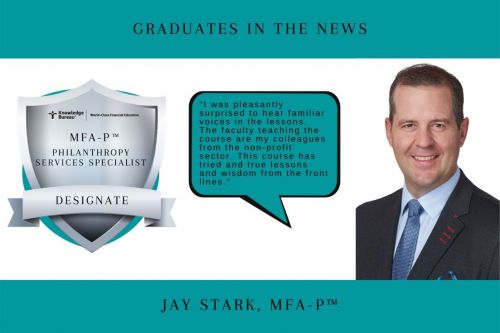 Jay Stark, MFA-P™ shares how this philanthropy planning focused designation program will help him apply new skills in his effort to help Canadians make better decisions about philanthropy and bring plans to life.
Millions of Returns Outstanding: Many Owe
 The pressure is on! Taxpayers and their tax accountants are buckling under the strain of lockdowns in the midst of a very a complex tax season. Recent statistics from CRA show that we were only at the halfway point on April 19 as only 16.6 million of approximately 31 million tax returns expected had been filed. It’s notable too that 19% of tax filers have a balance due. Here are nine last minute tax tips for those who owe and those who have to break it to them:
Retirement: Budget Changes Trigger Planning Reviews
 What did the April 19, 2020 Federal Budget tell us about required new approaches to retirement planning? Rising inflation is a new concern, and this requires a reworking of retirement projections, as well as projections for the funding of ongoing needs of survivors and heirs. More specifically, there are two tax provisions to take note of:
CRA Service Standards in a Word: Overwhelmed
 An astounding 98% of Knowledge Bureau poll respondents have given CRA’s service standards a thumbs down this year. It’s not too late for you to weigh in, too and share your thoughts on the question: “In your view, has CRA’s service level to professional tax advisors improved this year?”
Learn More About Retirement Income Layering & Portfolio Risk Management
 As your clients enter the 2nd half of their retirement years, there are many significant issues that begin to emerge such as illness, cost of care and loss of capacity for key decision makers. Without careful planning, years of effective decision making can be easily undone through increased costs of care and potentially increased costs of taxation.
Join the Society of RWM to Connect, Contribute and Collaborate
 There are three secrets to building a brand: knowing your story, building a network, and sharing that story with your network. On May 26th, we are giving you an exclusive opportunity to do so with a national networking opportunity. But there is one catch: you will need to be prepared to have fun and build your professional connections.