
CRA Data Breeches Put Taxpayer Information at Risk
An important deadline is coming up, around the same time that Canadians get ready to file their 2026 tax returns at the start of tax season 2027. Since 2020, more than 42,000 data breaches have occurred at the CRA. A class action lawsuit was launched in 2020 and a $8.76 million settlement was reached. Eligible Canadians affected by these security incidents can now submit claims through the KPMG Claims Portal until February 3, 2027.Caregiving? Real Wealth Managers Can Help Minimize the Financial Impact
 Planning for caregivers of the sick and the disabled is an important role for Real Wealth Managers™ who are well connected to their clients. Often the biggest concern for caregivers is the maintenance of income sources while they give care to their sick loved ones.
Loonie Drops to 95 Cents…Wealth Advisors Needed
 How will the continued weakening of the Canadian Dollar affect personal and family net worth? It’s an important question, especially for families who have recently purchased US property and are forced to pay soft costs with a diminishing currency. Planning is required.
August 2, 2013 – Extended Deadline for Alberta Flood Victims
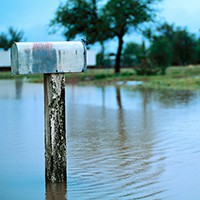 CRA will proactively adjust the due date for all federal business and other returns filed in Alberta that were due during the flooding. A federal business return filed by August 2, 2013, will be considered as filed on time.
Tax Break for Northern Residents
 If you’ve lived in a prescribed northern or intermediate zone for a period of at least six consecutive months beginning or ending in the tax year, you may be able to claim the Northern Residents Deduction on Line 255. Not sure if you qualify?
Why Tax Pros Are Worth Their Salt
 Alan Rowell, MFA, DFA-Tax Services Specialist, shines a light on a new communications issue at CRA...how would you advise a client with this problem?
Disability Awareness: Non-Refundable Tax Credits
 Our Disability Awareness series concludes this week with a look at non-refundable tax credits that can be claimed on the tax return. These articles are excerpted from Jacks on Tax, by Evelyn Jacks.