
New Consultations: Modernizing Tax Rules for Charities
As the last remnants of a scrumptious Thanksgiving weekend subside, it is appropriate to take a look at the health and issues surrounding the charitable sector in Canada. Serendipitously, the federal government is seeking your views on how the tax rules for registered charities and the Canada Revenue Agency’s (CRA) administration of these rules could be modernized. A new consultation was launched on October 8 and here’s what the government wants to know, by December 3, 2026:Knowledge Bureau launches registration for the Comprehensive Advanced T1 Tax Update Summit
 Coming up virtually on January 17, in person in Toronto on January 24 and in Calgary on January 26, registration for Knowledge Bureau’s 2024 Comprehensive T1 Tax Update for professionals is now open. Check out the detailed agenda online! The program includes not only the presentations for the day but access to the accompanying online course, CE quizzes, accreditation and the new 430-page Knowledge Journal Line-by-Line Desktop Reference, as well as lunch and refreshments at the in-person events. In addition, every student retains a subscription to EverGreen Explanatory Notes and Knowledge Bureau Report for the tax season and until May 6. It’s your complete 2024 Tax Season Toolkit!
Tuition Tax Assistance from CRA: T2202’s Available Now
 Did you know that Knowledge Bureau is a private, educational institution certified by Employment and Social Development Canada (ESDC) to provide courses that develop or improve skills for those working in the tax, bookkeeping, accounting, and financial services industries? What this also means is that Knowledge Bureau students who have paid 2023 tuition fees in excess of $100 qualify for the tuition fee amount, and the T2202 tax slips to claim this are now available in your Virtual Campus. Here’s how to claim them:
Happy Holidays From All of Us at Knowledge Bureau
 We wish to express our sincere gratitude to you for the privilege of being a part of your professional life over the past year.
Good News for Year-End: Inflation, Savings Rates and Community Support
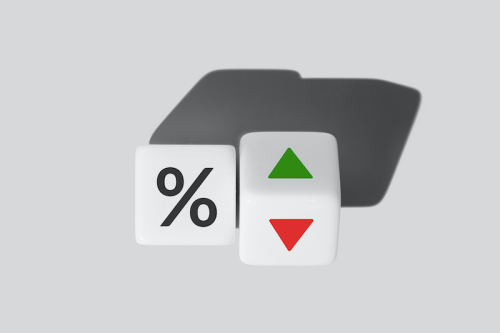 Canadians and their economy appear to be on the road to financial health. Canada’s Consumer Price Index (CPI) rose 3.1% on a year-over-year basis in November, and while there was no decline from the month before, if the trend continues and the inflation rate falls to within the Bank of Canada’s target rate of 2%, Canadians could look to 2024 as the year the Bank starts cutting interest rates. Better still, because household disposable income has risen at the fastest pace in five quarters, Canadian savings rates have risen, too. There is a fly in the ointment, but even that can’t dampen spirits.
Tax Season 2024 Approaches: Beat Inflation with Sound Tax Advice
 To pull ahead of high inflation, interest rates and new taxes looming for the first half of 2024, taxpayers and their advisors can best cope by quickly sharpening their skills on uncovering tax-driven savings to manage financial challenges in the short term, says Knowledge Bureau Founder and President Evelyn Jacks, best-selling tax financial author and award-winning educator. There are also some things that can still be done before year end, especially for delinquent tax filers, but the time is quickly drawing to a close, so if you have missed filing a return now is the time to catch up and recover refunds and benefits.
Your Program Guide to Your Complete Tax Filing Resource Kit for 2024!
Knowledge Bureau’s T1 Advanced Tax Update Hybrid Learning Event is now available for registration, to provide a complete suite of educational resources personal tax specialists need to file a broad base of T1 returns for the 2023 tax year, including returns for individuals, students, families, investors, seniors, proprietors, the disabled and nuances for terminal returns. Everything is included for this top tier Advanced T1 Tax Update to fully prepare you for the tax season including, as described below, the CE Summit workshops – virtual and in person – and a full tax research library, hard copy desk top reference journal, and CE Accreditation.