More Taxpayers Owe More in Penalties and Interest

Evelyn Jacks
It’s an expensive trend and a big wealth eroder: More people owe larger amounts to the CRA at tax filing time and the interest and penalties collected by the taxpayer are increasing[1]. Tax and financial advisors can bring a big value added service to their clients by helping them mitigate these costs. To make matters worse, these costs are not tax deductible either, even if the underlying reason for them is a business tax liability.
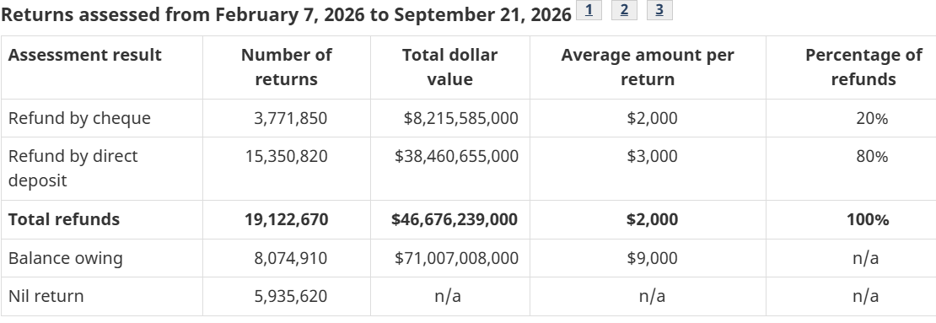
The Backdrop: This past tax filing season, the average balance due was at a record high for those who owed money to the CRA: $9000. In fact, $33 billion more was owed to CRA as compared to refunds payable, as shown below from CRA’s income tax filing statistics:
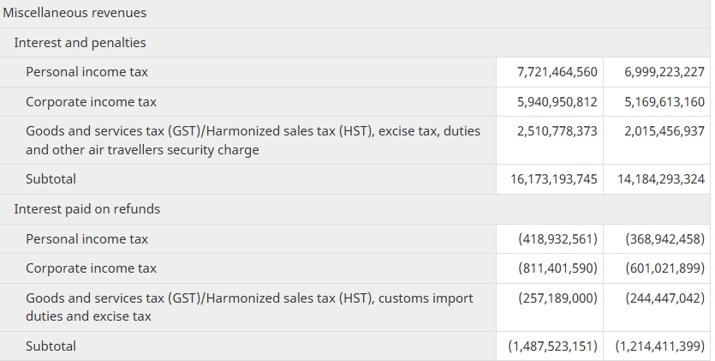
That’s a disturbing trend, as it leads to the next problem for taxpayers: interest and penalties owed. It turns out those numbers are increasing as well. Consider these most recent figures from CRA’s financial statements (2024-2025) which you will find under “Administered Activities”: almost $2 billion more was collected year over year, a 14% increase. CRA also paid more interest to taxpayers they owed money to, and this in a relatively low interest rate environment.
Not Deductible, Usually. Penalties and interest are a lucrative line item for government and they are not deductible. Specifically, Income Tax Folio S4-F2-C1, Deductibility of Fines and Penalties notes:
Section 67.6 prohibits the deduction of any amount that is a fine or penalty imposed under a federal, provincial, municipal, or foreign law by any person or public body that has authority to impose the fine or penalty.
There are a few exceptions to this rule and this Folio breaks them out well. In fact, for professionals, it would be highly recommended reading, as the rules are complex; but this knowledge can save your clients who owe, a lot of money.
It’s important to note that prior to March 23, 2004, fines and penalties and interest costs thereon were deductible; which may still be relevant for taxpayers who owe from ancient reassessments (Taxpayer Relief provisions are only claimable for 10 years, but interest costs for reassessment prior to this period cannot be erased, unfortunately.)
Canadians are highly compliant. Over 33 million Canadians are participating in their taxation system at a very high level. According to CRA’s 2026-2027 Departmental report fully 94% of Canadians participate in the tax filing season and 91% of individuals file their taxes on time. Statistics show that their service satisfaction levels have increased somewhat.
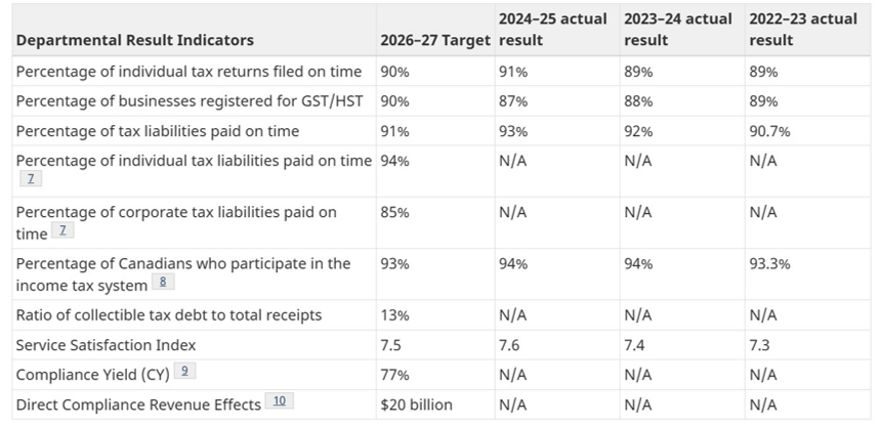
However, other markers show that the measure of public trust has dropped from the statistics CRA is supplying this year. For example, The Taxpayer’s Ombudsman has issued several recommendations due to surging complaints and in response, CRA plans to step up to dramatically improve in responding within 5 days to initial contacts and complaints from 36% to 95%.
However, Canadians’ relationship with their tax department is about to get much more impersonal. The focus for CRA’s departmental plan 2026-2026 is clearly set out:
“The long-term goal is a tax and benefit system that is digital, seamless, and built into the tools people use every day, making compliance easy and reducing the need for interaction with the CRA. Reaching this goal will require transformative change, developed in collaboration with key partners. This includes rethinking how people, processes, and technology work together in a more integrated way.”
Bottom Line. Interacting with CRA is not optional and it is increasingly expensive – from the requirement to set up for an increasingly digital relationship to the costs of owing money. It all points to an opportunity for advisors: people will need more help dealing with their Burden of Proof from people who know and understand and can help. Are you prepared to increase your capacity for change management?
Additional educational Resources:

DMA - Retirement and Estate Planning Specialist
DMA - Corporate Tax Services Specialist
DMA - Tax Accounting Services Specialist
DMA - Business Planning Specialist
[1] Canada Revenue Agency Financial Statements – Administered Activities 2024 to 2025
 Help & Contact: 1 866 953 4769